
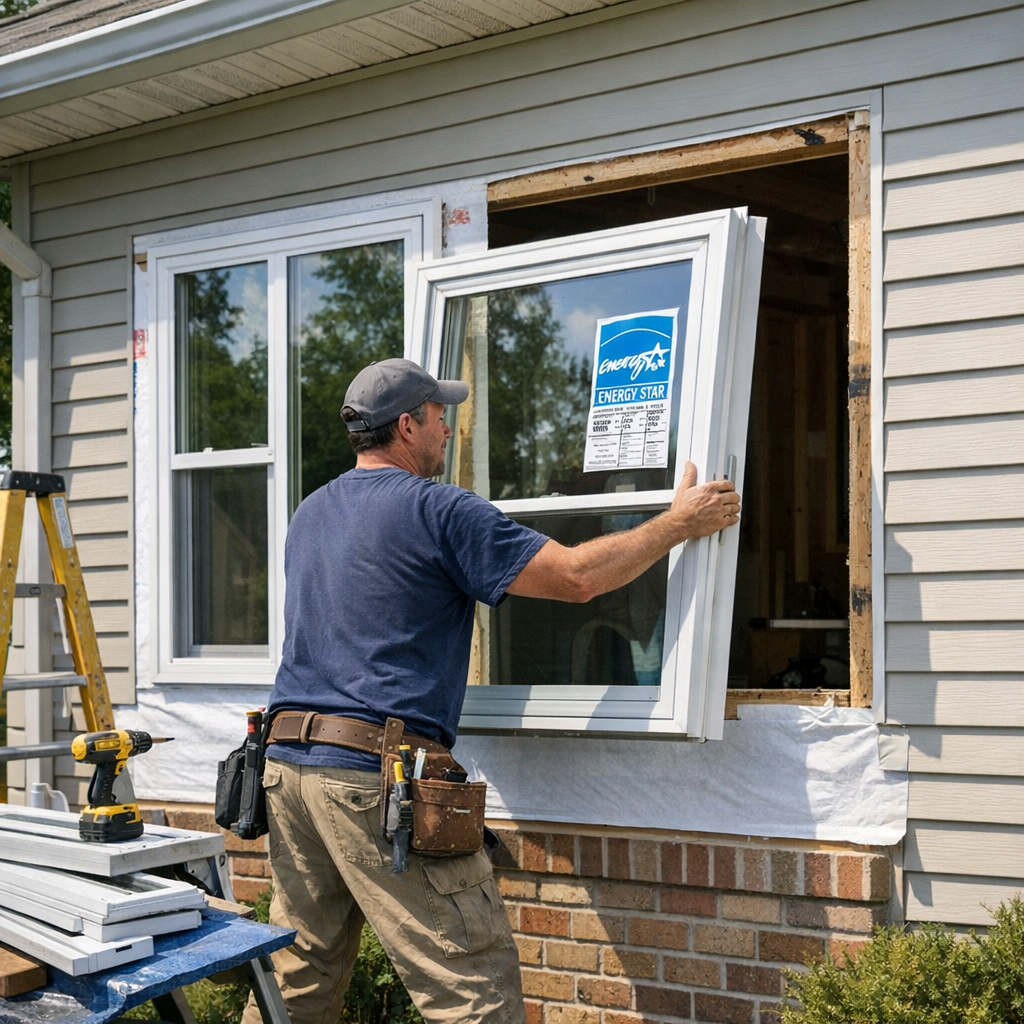
When to Replace Your Windows – and What You Get Back
Windows are easy to overlook until something goes wrong – a draft that won’t go away, a heating bill that keeps climbing, or condensation that fogs the glass every morning. When any of these signs appear, homeowners face a familiar dilemma: repair or replace?
The answer usually comes down to the age of the windows, the severity of the problem, and how long you plan to stay in the home. This guide walks through the key warning signs, the real costs involved, the material options available, and – critically – what you’re likely to get back when you sell.
5 Signs Your Windows Need Replacing
1. You Feel Drafts Even When Windows Are Closed
A draft means the seal between the window frame and the wall has failed, or the weatherstripping has deteriorated. Single-pane windows are especially vulnerable. Temporary caulking can help, but if multiple windows in a home are drafty, whole-unit replacement is almost always more cost-effective than patching each one.
2. Condensation Between the Panes
Moisture trapped inside a double- or triple-pane unit is a clear sign the insulating gas seal has broken down. Once this happens, the window’s thermal performance drops significantly and the fogging cannot be fixed by cleaning – the entire insulated glass unit needs replacing, which often costs nearly as much as a new window anyway.
3. High or Rising Energy Bills
Windows account for 25–30% of residential heating and cooling loss, according to the U.S. Department of Energy. If your utility costs have crept up without a change in usage habits, aging single-pane or poorly sealed windows are a prime suspect. Energy-efficient double- or triple-pane replacements with low-E coatings can cut heat loss through glass by up to 50%.
4. Visible Damage – Rot, Warping, or Broken Hardware
Wood frames that show rot or warping, vinyl frames that have cracked or bowed, and locks or latches that no longer close properly are all signs the window has reached end of life. Beyond aesthetics and security, damaged frames compromise the entire thermal envelope of your home.
5. Excessive Noise from Outside
If you can clearly hear traffic, neighbors, or weather through closed windows, the glazing is thin or the seals have failed. Modern laminated or triple-pane windows dramatically reduce sound transmission – a meaningful quality-of-life upgrade for homes near roads, airports, or urban noise sources.
What Window Replacement Actually Costs
The installed cost of replacement windows varies widely depending on several factors. Here’s a realistic breakdown:
| Factor | Typical Range |
|---|---|
| Per-window installed cost (standard) | $300 – $900 |
| Per-window installed cost (large/custom) | $900 – $2,500+ |
| Full home (10–15 windows) | $5,000 – $15,000 |
| Bay or bow windows | $1,500 – $4,500 each |
| Labor as % of total cost | 30 – 50% |
Factors that push costs higher include: older homes with non-standard frame sizes, second-floor or hard-to-access windows, historic preservation requirements, and premium glass packages (triple-pane, impact-rated, or acoustic glass).
Material Options: Vinyl, Wood, Fiberglass, Aluminum
Vinyl is the most popular choice for replacement windows, accounting for roughly 70% of the market. It’s low-maintenance, a good insulator, and competitively priced ($200–$600 per window installed for standard sizes). The trade-off is limited color customization and a look that some find too uniform for historic or upscale homes.
Wood offers the best aesthetic for traditional and historic homes, and solid wood frames are excellent insulators. The downside is cost ($500–$1,500 per window) and the ongoing maintenance requirement – wood must be painted or stained every several years or it will rot. Clad-wood windows (wood interior, aluminum or vinyl exterior) offer a middle ground.
Fiberglass is the premium option. It’s dimensionally stable (it won’t warp or contract with temperature swings), can be painted any color, and carries a lifespan of 40+ years. The installed cost runs $600–$1,800 per window. For homeowners making a long-term investment, fiberglass often has the best total cost of ownership.
Aluminum is strong, slim-profiled, and ideal for large or commercial-style windows and contemporary architecture. It’s not a good thermal insulator on its own (metal conducts heat readily), but modern aluminum windows use thermal breaks to significantly reduce conductive heat loss. Cost is similar to vinyl for standard sizes.
ROI and Home Value Impact
Window replacement consistently ranks among the top home improvement projects for resale value. According to Remodeling magazine’s annual Cost vs. Value Report:
- Vinyl window replacement returns an average of 68–72% of project cost at resale
- Wood window replacement returns approximately 61–67%
- Projects in colder climates or energy-conscious markets often see higher returns
Beyond the resale numbers, the ongoing energy savings compound the real return. A home spending $3,000 per year on heating and cooling that saves 15% through better windows generates $450/year in savings – meaning a $9,000 window project pays back its energy component in 20 years, while also improving comfort and the home’s market appeal immediately.
Appraisers and real estate agents consistently note that buyers in most markets now expect double-pane windows as a baseline. Homes with original single-pane windows from the 1980s or earlier frequently receive requests for credits or price reductions during negotiations.
How to Compare Contractor Quotes Effectively
Window replacement is a competitive market, and quotes can vary by 40–60% for identical work. Here’s how to compare them fairly:
- Specify the same products: Ask every contractor to quote the same window line, frame material, and glass package. A quote that looks cheap may simply be using a lower-tier window brand.
- Verify what’s included in installation: Does the quote include removal and disposal of old windows? Interior and exterior trim work? Repainting or re-casing? These add-ons can swing costs significantly.
- Check warranty terms: Window manufacturers offer separate warranties from installer warranties. A reputable installer will offer at least a one-year labor guarantee; many offer more. The window product itself should carry a lifetime or 20-year warranty at minimum.
- Get at least three quotes: The first quote anchors your expectations; the third one tells you where the market really is. Don’t automatically pick the lowest – confirm what’s excluded.
- Ask about financing and rebates: Many states and utilities offer rebates for ENERGY STAR-certified windows. Some contractors offer 12–24 month financing. Running these numbers alongside the quote gives you a clearer total cost picture.
Ready to see what new windows would cost for your home? Compare free quotes from licensed contractors in your area – no commitment required.
Get Free Window Quotes →The Bottom Line
Replacing windows is rarely urgent – until it is. Drafts, failed seals, and rising energy costs each add ongoing costs that erode the value of delaying. At the same time, window replacement is a significant investment that deserves careful planning: the right material for your home’s style and climate, a realistic project budget, and competitive quotes from licensed contractors.
Done well, new windows improve daily comfort, lower energy bills, and strengthen your home’s value at resale. The key is making a decision based on actual data – not the first quote that lands in your inbox.