
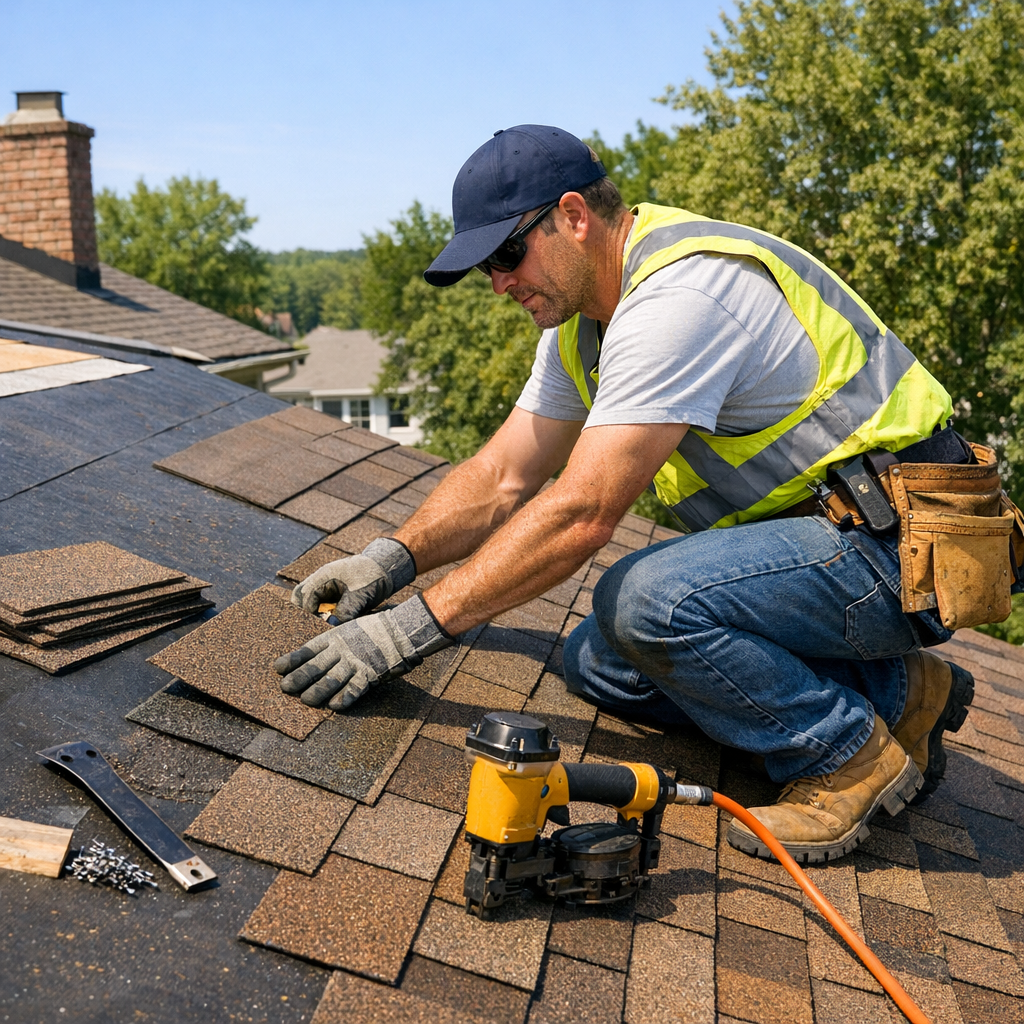
What Drives the Cost of a New Roof (2026 Buyer’s Guide)
Roof replacement is one of the bigger home projects there is — and quotes vary widely. Here’s what actually shapes the price so you can budget and compare bids with confidence.
Two homes can get very different roofing quotes, and it’s not random. A handful of clear factors drive the cost. Understand them, and the estimates you collect stop feeling like guesswork.
The factors that move the price
- Roof size. Roofers price by “square” (100 sq ft). More area means more material and labor — the single biggest driver.
- Pitch and complexity. Steep roofs and ones with many valleys, hips, dormers, or chimneys take more time and safety equipment.
- Material. Asphalt shingles are the affordable standard; metal, tile, and slate cost more but last longer.
- Tear-off. Removing old layers (and disposing of them) adds cost, especially if there’s more than one existing layer.
- Decking repairs. Rotted or damaged wood found under the old roof has to be replaced.
- Labor, permits, and region. Prices vary meaningfully by location, and most replacements need a permit.
Because so much depends on your roof’s size, shape, and condition, the only reliable figure is a written, on-site estimate — not a generic per-square number.
Where you can save without cutting corners
Choosing quality asphalt shingles over premium materials, scheduling in a roofer’s slower season, and addressing problems before they spread can all help. What you shouldn’t skimp on is the work you can’t see — underlayment, flashing, and proper decking repair — because that’s what determines whether the roof actually lasts.
When replacement is worth it
If your roof is near the end of its lifespan, leaking, or failing across large areas, replacement usually pays for itself by preventing interior and structural water damage. A sound roof is also one of the first things buyers and home inspectors check, so it supports resale value.
Get a free, itemized estimate from a local roofer so you can compare on more than just price.
Get a free estimate →Comparing bids the smart way
Line up two or three written quotes and check that each spells out material, tear-off, decking allowance, underlayment, flashing, warranty, and cleanup. Confirm licensing and insurance before you sign — roofing is dangerous work, and proper coverage protects you.